

British artificial intelligence infrastructure company Nscale is facing significant challenges that could complicate its plans for an initial public offering (IPO) at a valuation of approximately $35 billion. According to Bloomberg, delays in building its data centers are raising concerns about the company’s ability to meet contractual commitments, generate revenue, and convince investors of its long-term growth prospects.

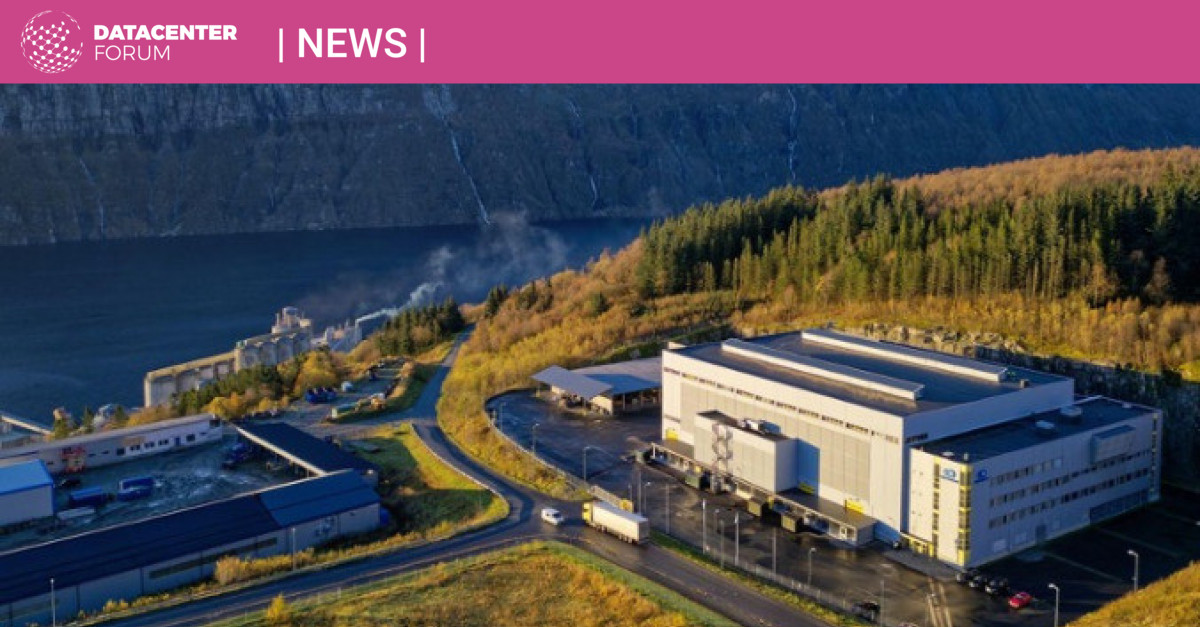
One of the main problems involves Nscale’s flagship facility in Glomfjord, Norway, where construction has reportedly fallen about six months behind schedule. Issues involving cooling systems, regulatory requirements, construction work, and a fire have contributed to the delays, highlighting the technical and logistical difficulties of developing infrastructure capable of supporting advanced AI computing.
Of the 30 megawatts of capacity planned for the Norwegian facility, only 6.4 megawatts were operational at the time described in the report. The gap between planned and available capacity could affect the company’s ability to deliver computing services on schedule. Delays may also expose Nscale to contractual penalties and force it to renegotiate agreements with customers.
The situation illustrates a broader challenge facing the rapidly expanding AI industry. Demand for computing power has surged as companies invest in increasingly sophisticated AI models and applications. However, building the infrastructure needed to support this expansion requires enormous capital investment, reliable electricity supplies, advanced cooling technology, regulatory approvals, and timely construction.
For investors, the key question is whether companies such as Nscale can turn ambitious infrastructure projects into dependable revenue streams without allowing costs and delays to undermine profitability. Although the market for AI computing remains attractive, expectations of rapid growth do not eliminate the risks associated with execution.
Nscale’s planned IPO therefore faces an important test: demonstrating that its expansion strategy is financially sustainable and that it can deliver the capacity promised to customers. Its ability to resolve construction bottlenecks, meet contractual obligations, and maintain investor confidence could prove critical to achieving its targeted valuation.