
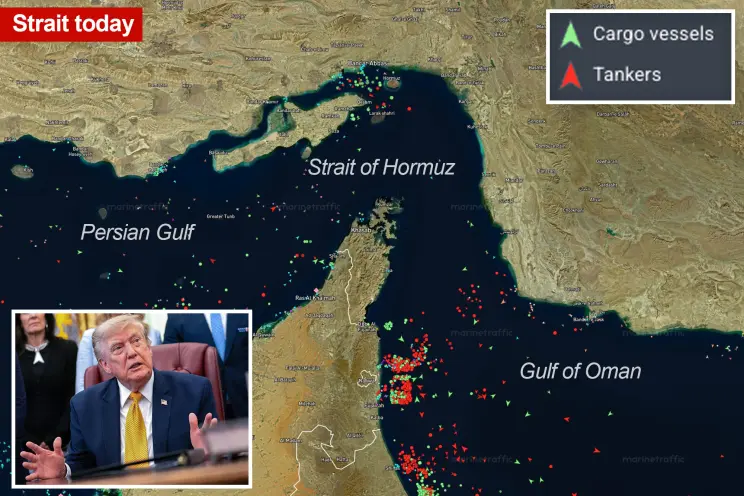
The US, Iran and Oman are nearing a deal that would temporarily reopen the Strait of Hormuz without any tolls — with an agreement expected to be announced as soon as today, according to a report.

The deal under consideration would establish a 60-day agreement between Oman and Iran for shipping in the strategic strait, US and regional sources told Axios.
During those 60 days, the US and Iran would return to the negotiating table to hammer out nuclear concessions and try to find a “permanent solution” for the strait, a regional source told The Post.
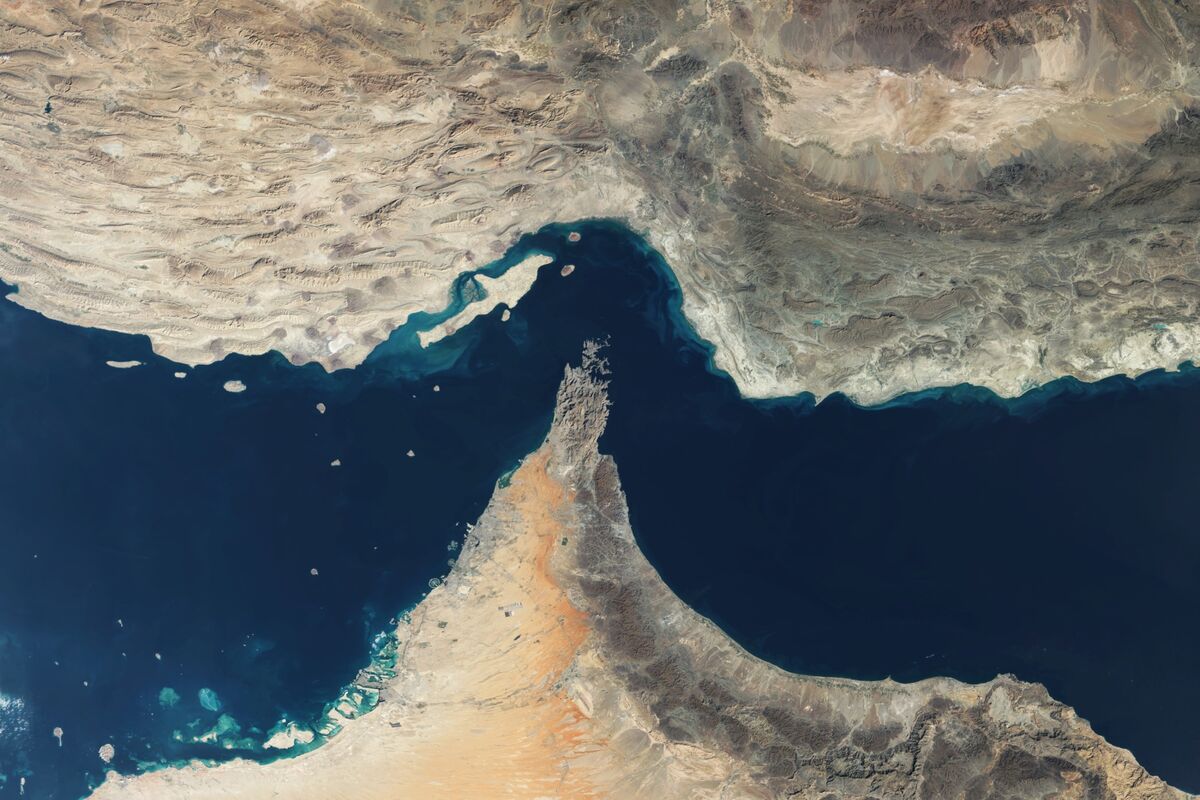
Until then, inbound shipping traffic into the Persian Gulf would go through a northern lane through Iranian waters while outgoing traffic would pass through a southern lane through Omani waters into the Arabian Sea, Iran’s foreign ministry said on Monday.
Once the center lane is safe for travel, it will be opened to inbound and outbound traffic under a future permanent agreement between Iran and Oman, sources told Axios.

No tolls or fees would be charged during the 60-day period — which can be extended — despite being previously proposed.
Additionally, the countries would begin removing naval mines from the strait’s median lane within 30 days.
Those conditions are nearly identical to the key provisions created with the failed US-Iran memorandum of understanding, save for a cease-fire.
Iran did not comply with that plan, refusing to discuss denuclearization or de-mine and fully open the strait.
Because a permanent plan has yet to be created, it is unclear if any fees or tolls would be charged under a future arrangement.
However, the US has repeatedly said it would not allow any country to charge for access to the international waterway.
The countries have been negotiating the deal for weeks with the goal of resuming the Iran-US ceasefire that collapsed last month.
Iran on Monday repeatedly denied discussing a deal over the Strait of Hormuz with the US, instead clarifying that Tehran was dealing with neighboring Oman.
Even if a deal is reached, Iran says, it would only be temporary unless what it calls US “aggression” ends.
The potential breakthrough comes after President Trump revealed over the weekend he had called off a major strike on Iran to give diplomacy one final chance before resuming military action.
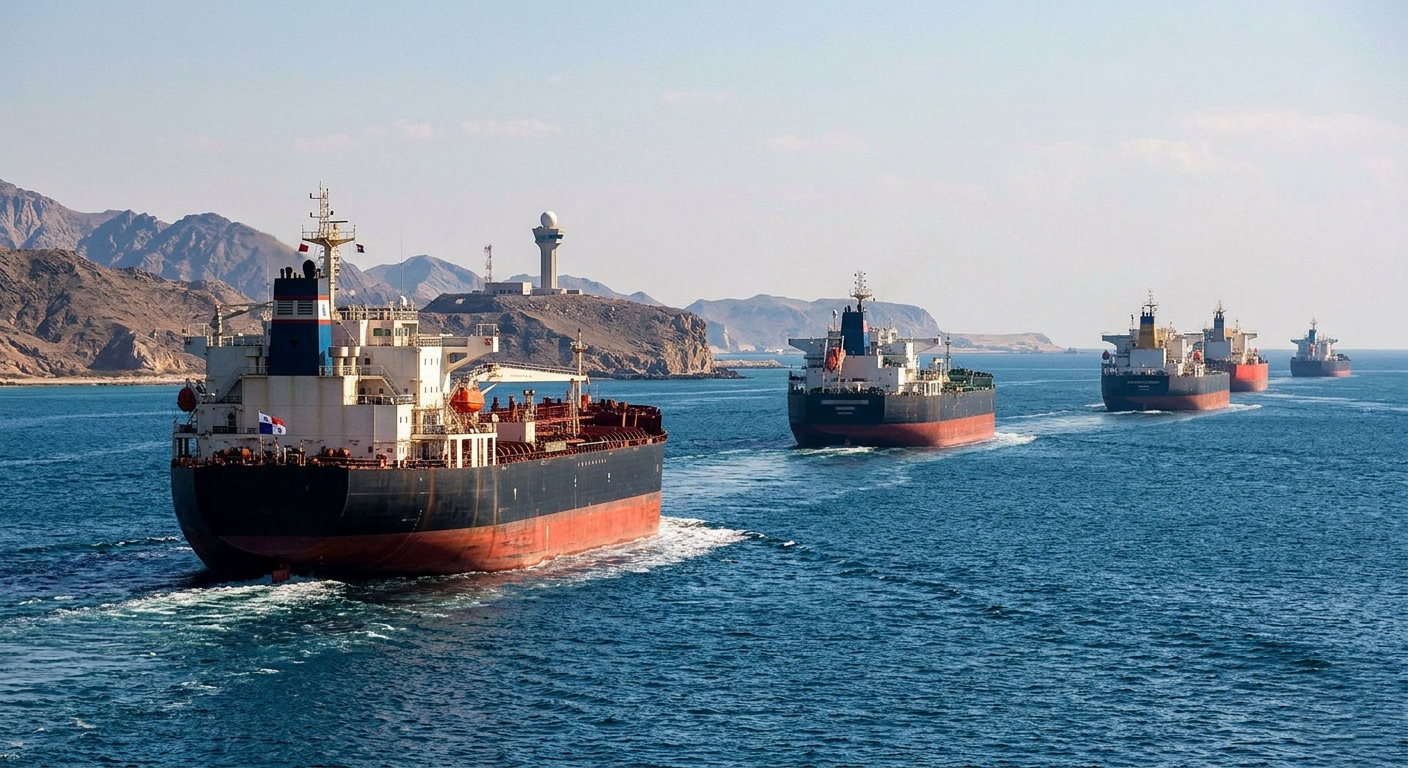
About one-fifth of the world’s oil passes through the Strait of Hormuz during peacetime, but weeks of fighting have snarled shipping and rattled global markets.