
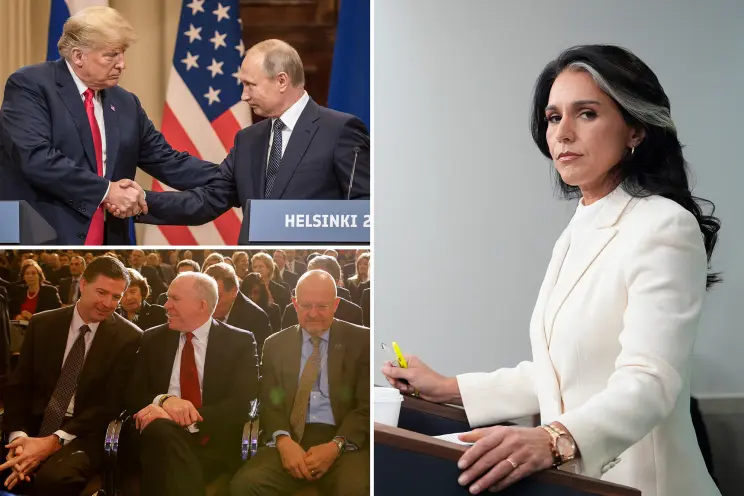
The U.S. Department of Justice has launched a federal grand jury investigation into former Obama administration officials over their roles in the 2016 Trump-Russia investigation, also known as “Crossfire Hurricane.” The officials under scrutiny include former Director of National Intelligence James Clapper, former CIA Director John Brennan, and former FBI Director James Comey. The investigation centers on allegations that these individuals misled the public and Congress in order to promote the narrative that Donald Trump’s campaign colluded with Russia.
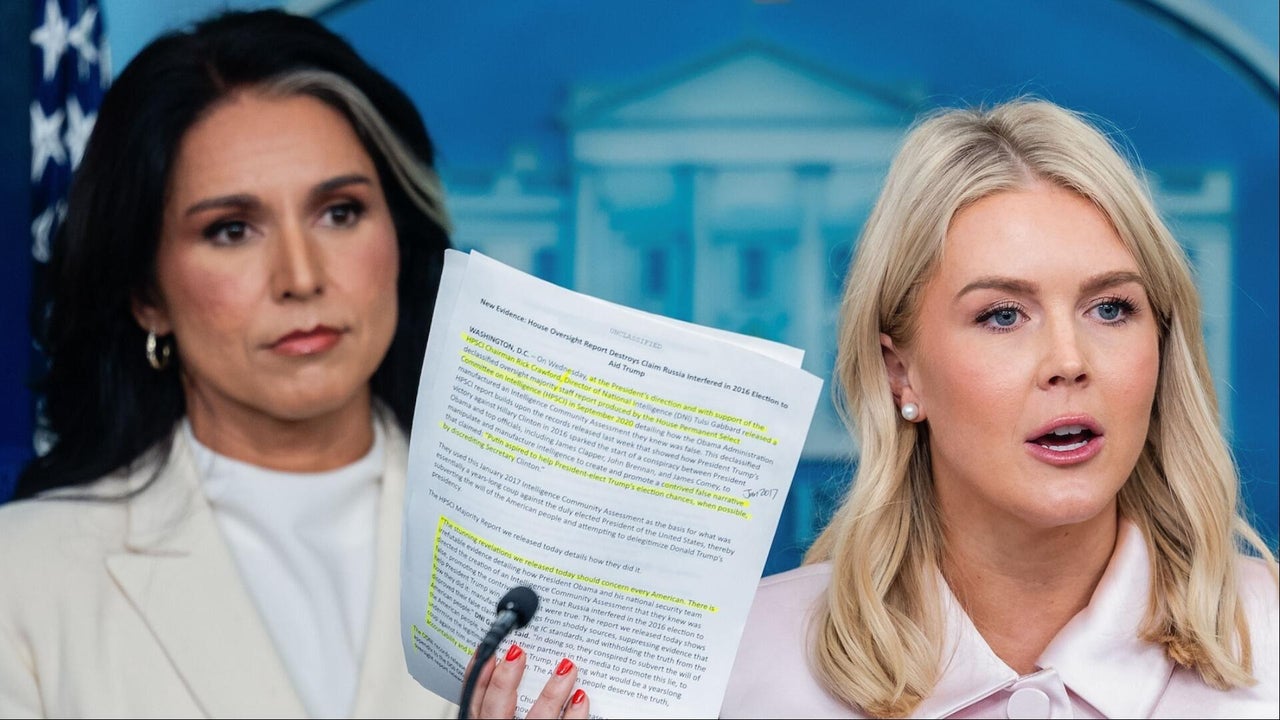
This development follows a criminal referral submitted by current Director of National Intelligence Tulsi Gabbard, a former Democratic congresswoman. Gabbard alleges that senior Obama-era officials exaggerated or fabricated intelligence to damage Trump politically, and that President Obama personally ordered an intelligence assessment that misrepresented Russia’s intentions. Gabbard claims newly declassified materials show that Russian sources expected Hillary Clinton to win the 2016 election and held back damaging information about her for potential use after her expected victory—undermining the original claim that Russia favored Trump.

The charges under consideration include lying to Congress, abuse of office, and potentially seditious conspiracy. Brennan is accused of contradicting himself regarding the controversial Steele dossier, which played a key role in the intelligence community’s assessment. While Brennan told Congress in 2023 that the CIA opposed including the dossier in a 2017 report, internal records show he previously supported its inclusion. Comey, meanwhile, is facing renewed scrutiny over previous congressional testimony and a recent online post interpreted by some as a threat against Trump.
Although the DOJ has not announced formal charges, the convening of a grand jury allows prosecutors to subpoena documents, compel testimony, and determine whether indictments are warranted. The potential for prosecution remains uncertain, however. Legal experts point out that lying to Congress has a five-year statute of limitations, and many of the alleged acts occurred before 2020. Treason, which has no statute of limitations, is also being floated, though no American has been convicted of it since 1949. Critics argue that applying such charges could be seen as politically motivated and legally tenuous.

This investigation is politically explosive, as it revives debates about the origins and conduct of the Russia probe, which clouded Trump’s presidency for over two years. Special Counsel Robert Mueller ultimately found insufficient evidence to charge Trump or his campaign with conspiring with Russia, though his investigation did detail extensive Russian interference in the election.
The grand jury probe also raises concerns about the politicization of the Justice Department under Trump’s leadership. Attorney General Pam Bondi, a longtime Trump ally, is overseeing the investigation. Some legal analysts and political observers warn that the DOJ could be used as a tool for retribution against political opponents, citing a broader pattern of targeting former officials and critics.

At its core, the probe seeks to resolve a long-standing question: did top intelligence and law enforcement leaders cross legal lines in their efforts to investigate Trump, or are current investigations an effort to rewrite the past through political means? The outcome could reshape how America views the institutions that are meant to operate above partisan politics.